CONNECTING WITH

COUNTRY

Respectful, practical ways to design with place

We believe great projects start with connection, not just to people, but to place. That means slowing down at the start, paying attention to what’s already there, and making decisions that feel grounded in the context the project sits within.

In NSW, the Government Architect’s Connecting with Country guidance is helping teams design in a way that respects First Nations cultures, knowledge and living landscapes. For us, it’s not a one-off activity or a single workshop, it’s a way of working that we bring into every stage of a project. When we connect with Country early, we can design places that are more meaningful, more culturally aware, and better equipped to support Country, community, and long-term value.

What we mean by Country

When we say Country, we’re not only talking about land, and we don’t mean 'the countryside'.

Country includes land, water, sky, ecology, story, memory, culture, and responsibility. It’s living, layered, and deeply connected to identity and wellbeing, especially for Aboriginal peoples. It holds relationships, knowledge, and ways of caring for place that have been practiced and passed on over thousands of years.

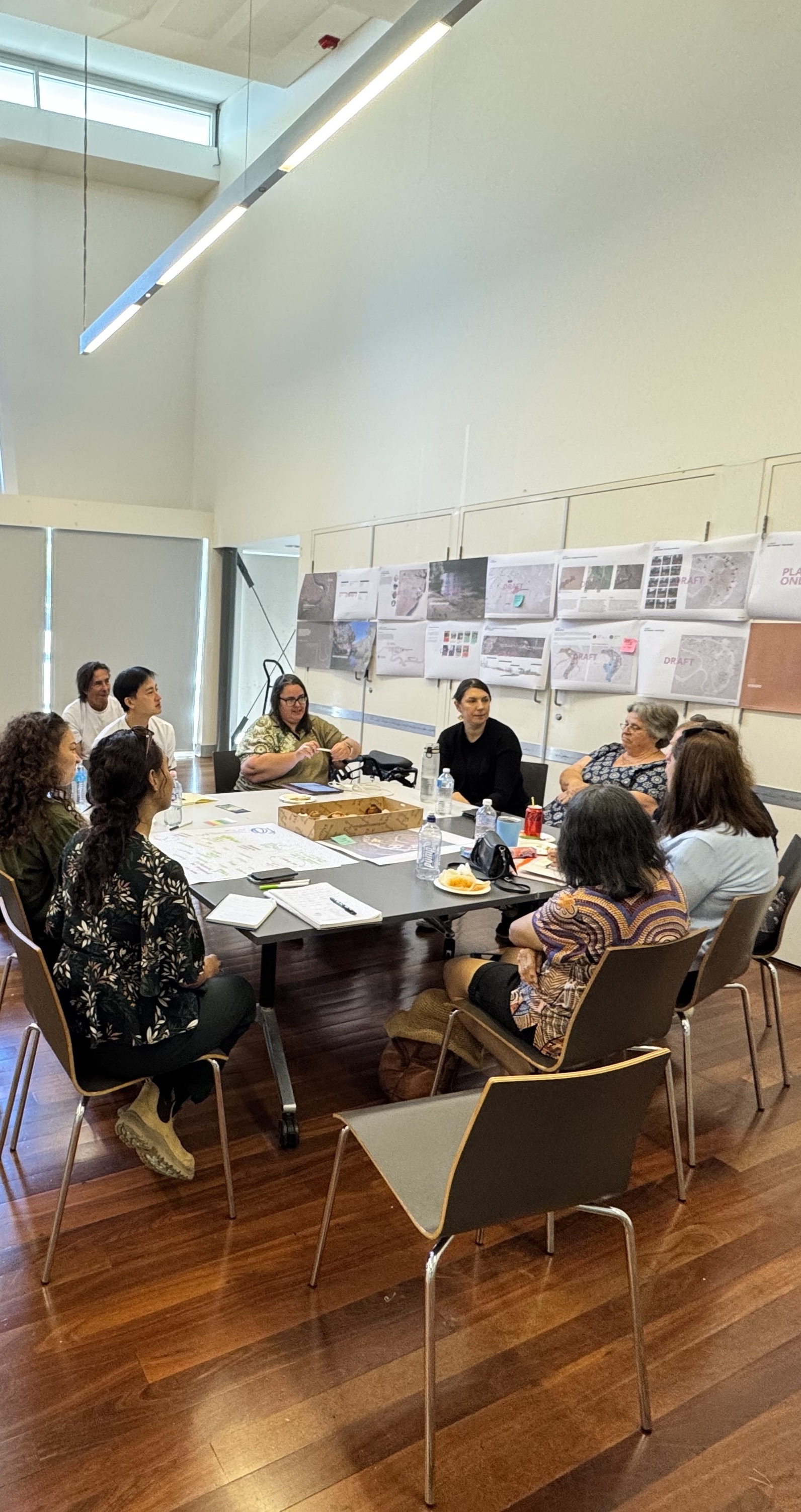
Connecting with Country means taking time to understand what makes a place a place, not just what’s visible on a plan. It’s about listening, learning, and being thoughtful about how design choices shape connection, comfort, belonging, and care over time.

Why this matters

Good design isn’t just functional, it should feel grounded, safe, and meaningful. When we connect with Country early, it helps us:

  • make better decisions about layout, access, landscape and materials
  • design places that feel welcoming and culturally aware
  • reduce 'late changes' by getting the right conversations happening sooner
  • create projects that hold up over time - socially, environmentally, and culturally

How we work

We keep our approach simple, respectful and practical:

  • Listen first - take time to understand the place, the local context, and the right people to engage
  • Bring it into the brief - turn what we learn into clear priorities that guide the project from the start
  • Design with care - test ideas early and often through a Country-centred lens (not as an afterthought)
  • Follow through - support delivery so the original intent stays intact through approvals, documentation and construction (with clear roles, accountability and follow-up)

Engagement should be meaningful (not just 'done')

We’re mindful that engagement takes time and trust and it should lead to real outcomes.

We’re also conscious that community time and energy is valuable, and consultation fatigue is real. So we aim to be organised, clear, and purposeful, not repetitive.

The best results happen when people can see that:

  • their knowledge is respected
  • their input shapes decisions
  • the project creates something positive in return

That return might be cultural recognition, better places for community use, capability-building, or opportunities for First Nations participation where appropriate.

Doing this with care

Connecting with Country isn’t something we 'apply' to a project at the end.

We aim to avoid token gestures, like adding a motif or artwork without deeper thinking behind it. Instead, we focus on relationship, process, and place-based outcomes.

We’re also mindful that cultural knowledge isn’t something you can simply 'use' because it’s been shared. Where stories, knowledge or creative work inform a project, we treat it with care, including permissions, attribution, and appropriate use.

Where engagement is led by community, we support it. Where engagement is limited, we still work carefully and responsibly, and we stay honest about what’s possible.

What this can look like in practice

Every place is different, but Connecting with Country might show up as:

  • stronger connections between building, landscape and movement
  • spaces that support gathering, pause, reflection and wellbeing
  • views and pathways that help people stay connected to surrounding Country
  • materials and colour palettes that feel grounded in place
  • cultural stories reflected in a way that is genuine, respectful and appropriate

In urban or highly changed environments, this doesn’t mean 'recreating the past', it means designing in ways that acknowledge shared history and strengthen connection to Country today.

Our commitment

We’re committed to working in ways that align with best practice; with listening, respect and collaboration at the centre.

We see this as part of designing a better future: places that are more connected, more thoughtful, and more grounded in the Country they sit within.

Explore our wider services supporting better outcomes for policy, people and place here.

Place case studies

Impact in action

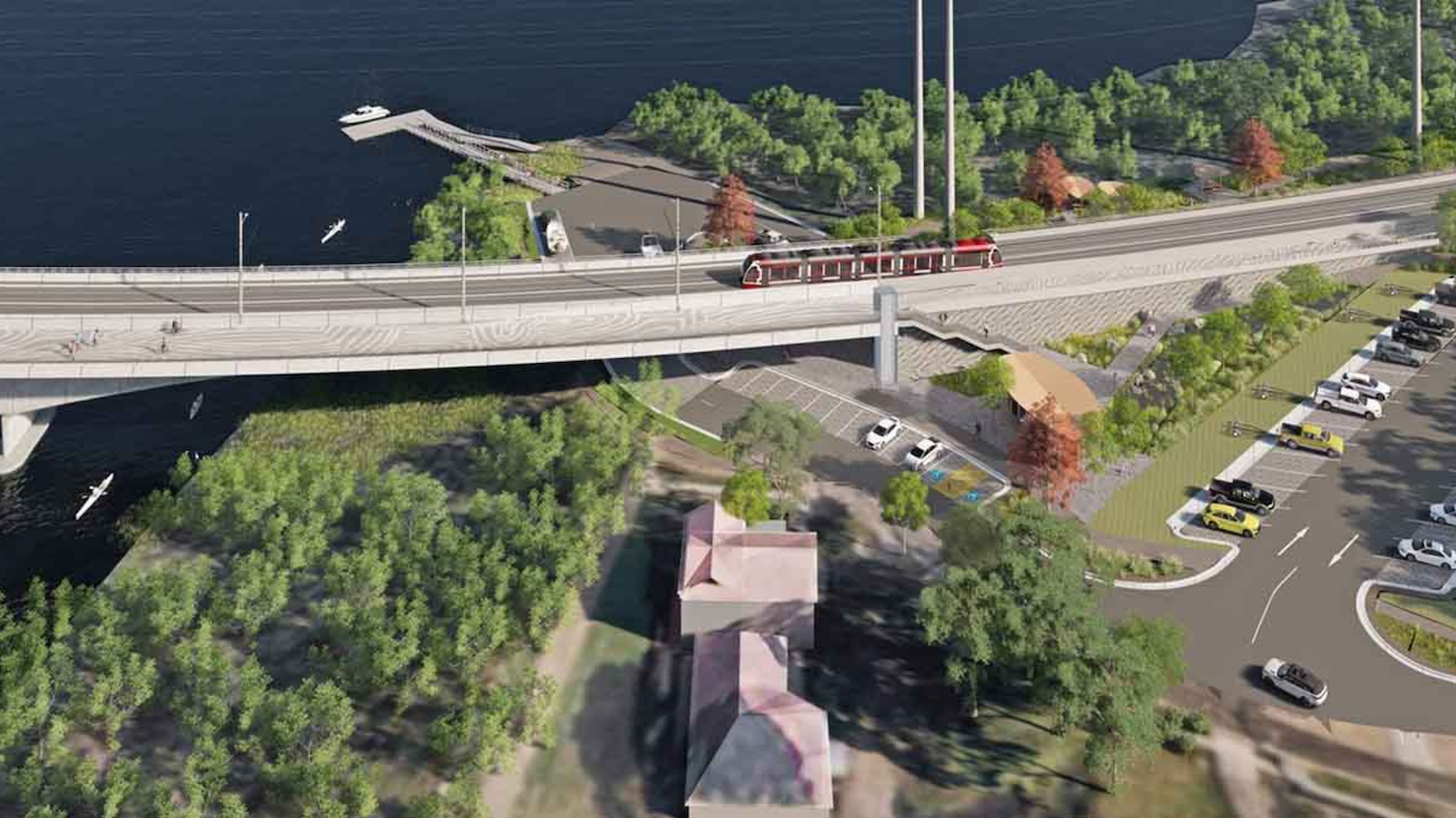
Parramatta Light Rail - Stage 2

Parramatta Light Rail - Stage 2

This major infrastructure project extends light rail services from Camellia to Sydney Olympic Park, connecting key growth precincts including Rydalmere, Ermington, Melrose Park, and Wentworth Point. Located on Dharug Country, the project corridor traverses a landscape rich in cultural, ecological, and historical significance.

Place
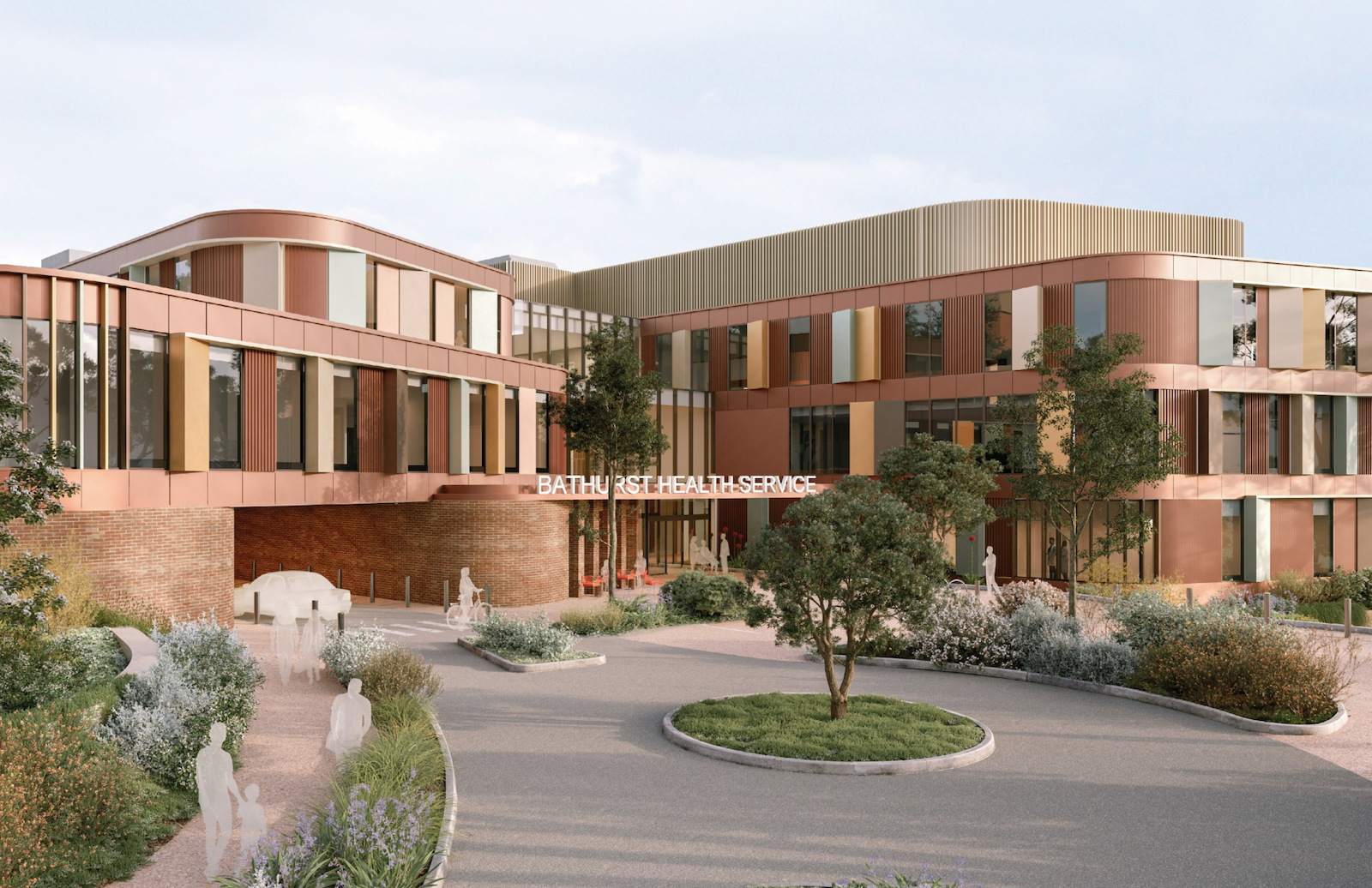
Bathurst Hospital Redevelopment

Bathurst Hospital Redevelopment

This major redevelopment will deliver a contemporary healthcare facility that meets regional needs while reflecting the cultural identity and environmental character of Wiradjuri Country, guided by the NSW Government’s Connecting with Country and Designing with Country principles to create spaces that heal, connect, and belong.

Place
Mars Data Centre

Mars Data Centre

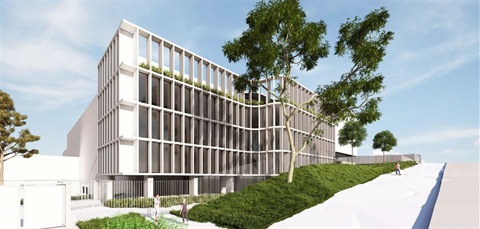
Situated near the Lane Cove River, traditionally known as Turrumburra, the site forms part of a rich cultural landscape shaped by thousands of years of ecological knowledge, seasonal rhythms, and enduring custodianship.

Place